October is when the dark comes early and the wind starts rattling the storm windows. It’s the season for hot cider, cold nights, and spooky stories told in a lowered voice.
Homeowners have a few of their own.
You’ve probably heard some. The neighbor whose six-week remodel is heading into month six, and whose contractor stopped returning calls somewhere around week three. The coworker whose estimate looked like a bargain until the extras started stacking up. The cousin whose kitchen came out bigger but no easier to cook in.
Gather ‘round as we tell the bone-chilling tales of remodeling’s scariest monsters, the tricks each one plays on unsuspecting homeowners, and what a thoughtful remodeling process can do to keep them away.

The Remodeling Robot: When Your Remodeler Does Exactly What You Ask
The trick: The meeting is short and cordial, and your remodeler writes down every word. You say you’d like a bigger kitchen. Somewhere behind the desk, a small light blinks on. BEEP BOOP. Bigger kitchen, coming right up.
Weeks later, the walls have moved outward, and you have a bigger kitchen. You also have every problem the old one had because size was never the issue. What you needed was a layout that made sense, storage where your hands go without thinking, and a place for everything to land when people come through the door, and none of that made it onto the order form because nothing was asked.
You got exactly what you wanted without getting what you needed at all.
The treat: We start with questions. Your designer visits your home, takes measurements, and digs into what isn’t working, listening for the problem before anyone talks about a solution. Sometimes the answer is the one you walked in with. Sometimes the conversation turns up a better one. Either way, you’ll know it solves the problem you actually have.
The Kitchen Clone: How Do You Design a Kitchen That Feels Like Yours?
The trick: The last of the tradespeople are gone, and you walk into your finished kitchen at dusk and flip on the lights. Something is off, in a familiar way. You’ve seen these cabinets before, and that backsplash, and those pendants hanging over the island. At your neighbor’s, maybe, or your sister’s, or in every third kitchen you’ve scrolled past online.
The clones are among us.
There’s nothing wrong with loving a popular look. Trouble starts when the trend drives the decisions, because what photographs well doesn’t always work well for the people cooking in the kitchen every day.
The treat: Before the design gets far, we spend time getting to know you. Taste matters, but so do how you cook, where people gather, how you move through the room, and what isn’t working in the kitchen you have now. Those answers shape layout and storage as much as materials and finishes.
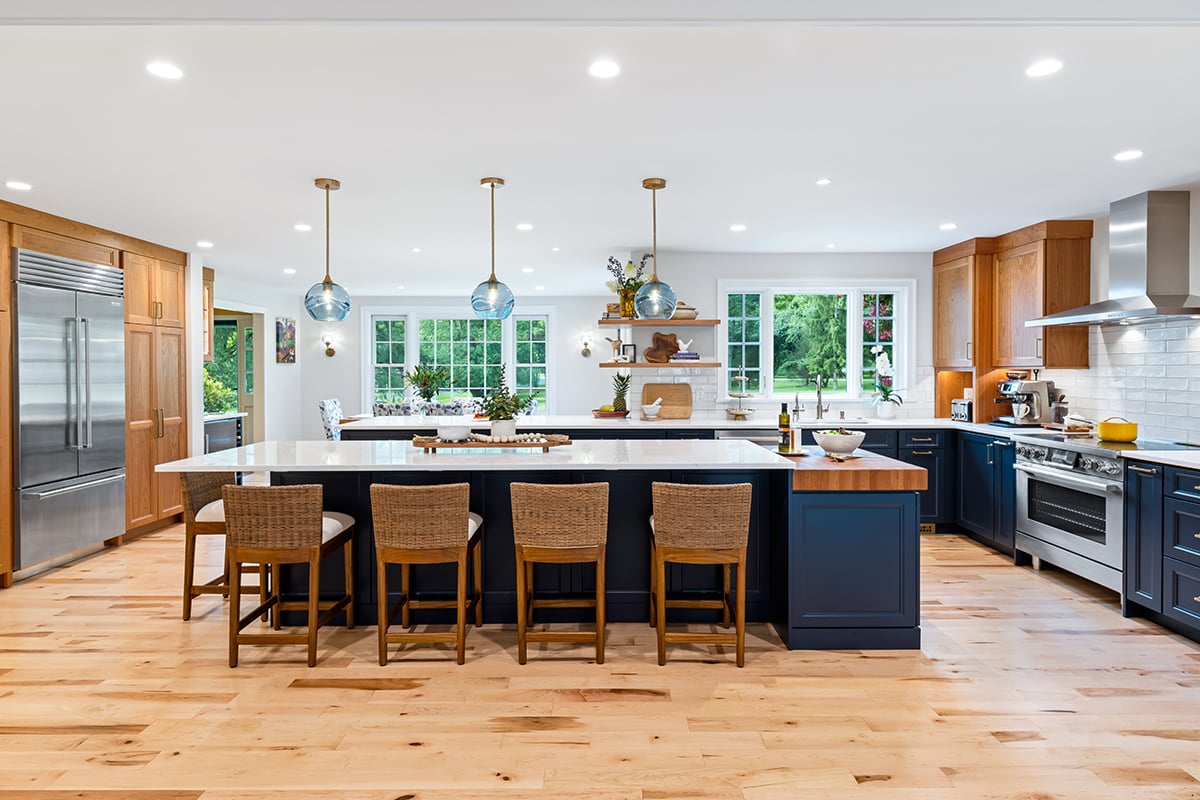
Take this Doylestown kitchen, designed for homeowners who wanted something bolder that reflected their creative personalities and the way they cook and move through the room.
If we’ve done it right, your finished kitchen doesn’t look like a Custom Craft kitchen. It looks uniquely yours.
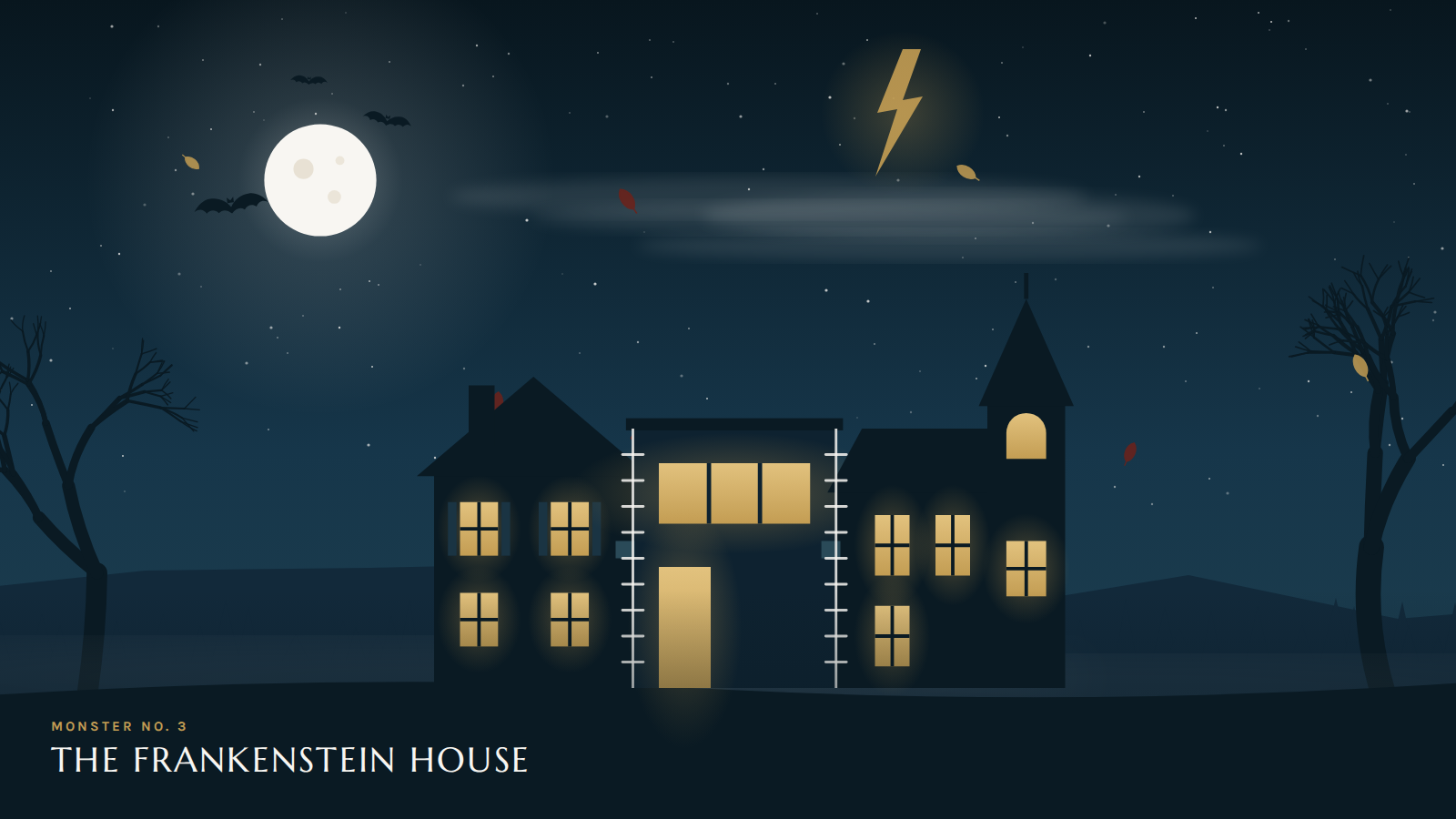
The Frankenstein House: When a Remodel Feels Pieced Together
The trick: It happens slowly, one room at a time. The kitchen comes out sleek and modern. The dining room next door stays traditional. The new addition sits at the back of the house looking like it wandered over from somewhere else in the night and attached itself to yours. Stand in the hallway between them and you can practically hear the rooms disagreeing through the walls.
Each one, taken alone, might be lovely. Stitched together with no eye on the whole house, they add up to a remodel built from very nice parts that don’t belong to the same body. Matching isn’t the goal. Plenty of good homes mix old and new, or put rooms with very different personalities side by side. What matters is that the choices look deliberate, with rooms that flow into one another and new construction that respects the house it’s joining.
The treat: We keep the whole house in view from the first sketch to the last selection. That can mean carrying a material or architectural detail from one room into the next, or finding a clean transition between something new and something you love enough to keep.
Our Bryn Mawr primary suite shows how that can work in a home with more than a century of history. The project expanded and reconfigured the suite while using architectural and design details to integrate the new spaces with the character of the 1916 home. The result is a home that can keep evolving without looking like someone got carried away with a needle and thread.

The Werewolf Estimate: Why Do Remodeling Costs Change?
The trick: The estimate looked perfectly ordinary when you brought it home, tucked in a folder on the kitchen table. Then demolition began, the moon came up, and the number started to change shape. The tile allowance covered less than you’d pictured, something you’d assumed was included turned out not to be, and a few selections nobody had made yet kept turning up one at a time, each with its own price.
Surprises inevitably arise during remodeling an existing house, and no estimate can account for everything behind every wall. But most budget blunders can be stopped by making more decisions earlier and understanding their cost implications before construction begins.
The treat: During development, we survey the site before final pricing, and we finalize selections and specifications during planning, well before construction begins. That gives you a much clearer picture of what you’ve chosen and what it costs before the hammers come out — and fewer opportunities for the number on the page to leave you howling in frustration.
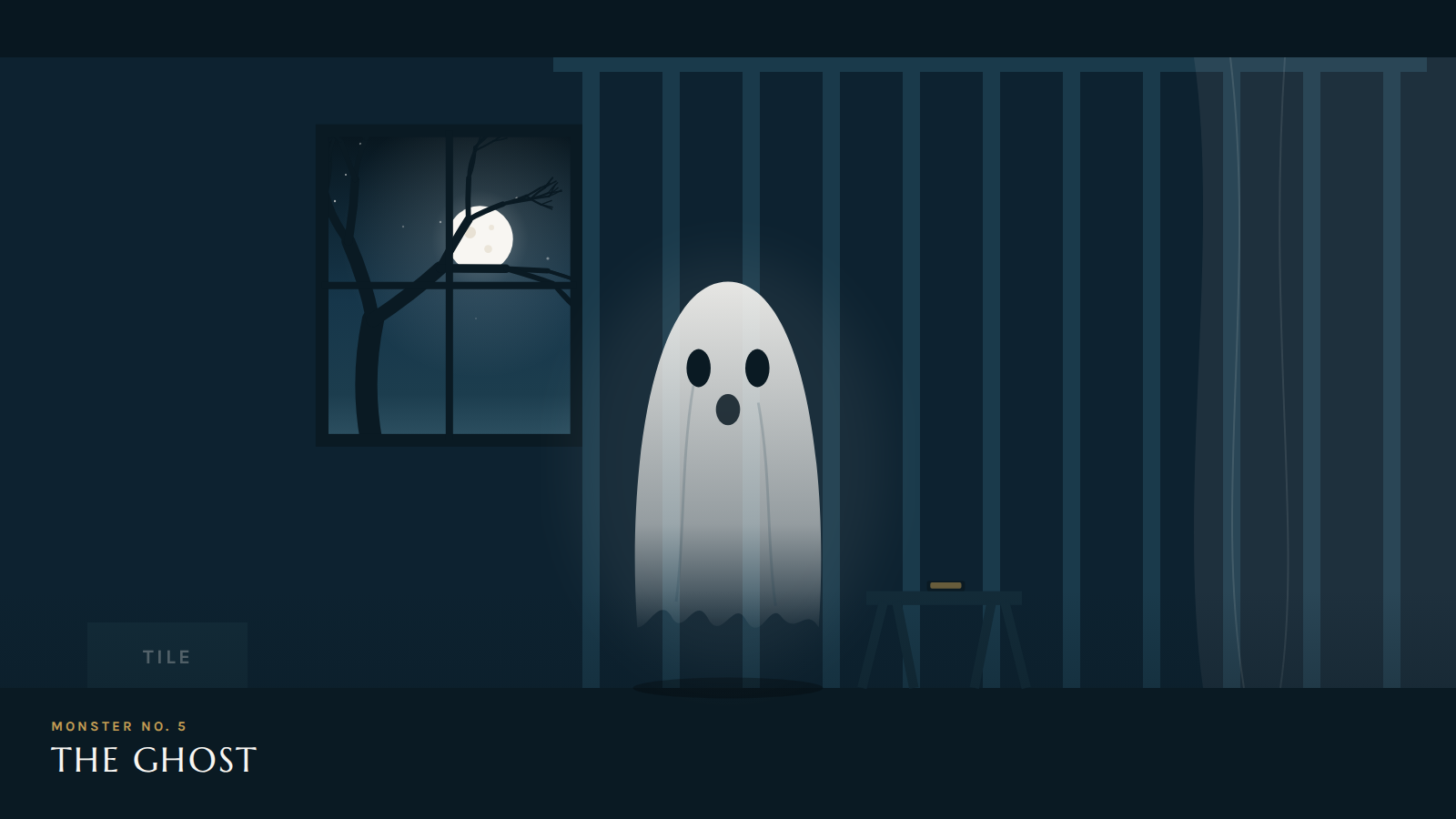
The Ghost: When Your Remodeler Goes Quiet
The trick: Week one, the crew was everywhere: trucks at the curb before you’d finished your coffee, boots on the stairs, a radio playing somewhere behind the plastic sheeting. By week three, the house has gone quiet. You stand in a half-demoed kitchen, listening to the sheeting rustle, trying to think who to call, and the last person you called never called back. Nobody has said what happens next, or when, or why the tile is still in a box in the garage.
Ghosting is rarely dramatic. Usually it’s just silence where information should be, and a project with this many moving parts shouldn’t leave you wondering where any of them stand.
The treat: With Custom Craft, you meet your lead carpenter during planning, and they stay your point of contact until construction is done. They post a daily log with photos of what happened on-site, and our online portal lets you track progress, view photos, and message them directly. When you want to know what happened today, you don’t need a séance.
Keep the Monsters Out of Your Remodel
A remodel is a big undertaking, and even a well-run one can hold a surprise or two, but robots, clones, Frankenstein creations, werewolves, and ghosts don’t have to be among them. Most of what keeps them away is unglamorous: we ask questions before we draw anything, settle decisions before construction starts, and answer the phone once it does. If you’re planning a kitchen, bathroom, addition, or larger renovation in Montgomery or Bucks County, PA, we’d like to hear what’s haunting your current house and help you figure out what to do about it.